Crawl Spaces
Wet Basement Repair
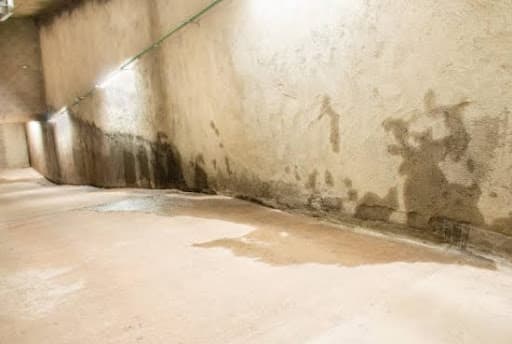
Whether you have a true basement or — far more commonly here in the Triangle — a crawl space, excess water underneath your home threatens the same things: your foundation, your air quality, and your home's value.
Most homes in Cary and the greater Triangle area are built on crawl spaces rather than basements, so when we talk about a "wet basement," we're usually really talking about a wet crawl space — the same water intrusion problem, just under a different kind of home. Either way, standing water or persistent dampness under your house is not something to live with. It compromises the structure and invites mold, rot, and pests.
Why It Happens Here
Cary's clay-rich soil doesn't drain well, and the area sees seasonal heavy rainfall that raises groundwater levels. Combine that with a sloped lot, a neighbor's runoff draining onto your property, or clogged and undersized gutters, and water finds its way against your foundation walls — and eventually in, through wall cracks, window wells, or the joint where the wall meets the floor.
What Wet Conditions Do to Your Home
- Weakens foundation materials over time, leading to cracks and settling
- Rots wood framing and support beams that depend on staying dry
- Creates ideal conditions for mold and mildew, which affect indoor air quality and can trigger allergy and respiratory issues
- Attracts pests drawn to persistent moisture
- Hurts resale value — a damp crawl space or basement is a red flag for buyers and home inspectors
How We Fix It
We start with an assessment to find where water is actually getting in, then build a plan around your specific situation — that might mean French drains to redirect water before it reaches the foundation, a sump pump system for water that does make it in, or a full crawl space encapsulation to seal the space and eliminate the moisture source. Most wet crawl space or basement problems need more than one of these working together.
Interior or Exterior Waterproofing?
Basement waterproofing splits into two approaches, and which one you need depends on where the water is coming from rather than on preference.
- Exterior work stops water before it reaches the wall — correcting the grade so the ground falls away from the house, extending downspouts properly, and intercepting groundwater with drainage. It deals with the cause, and it is the first thing we look at because it is often the cheapest thing that works.
- Interior work manages water that has already arrived — interior perimeter drainage routed to a sump pit, and a pump to lift it out. It deals with the consequence, and it is what you need when the source cannot practically be cut off outside.
Plenty of homes need both. What almost never works on its own is sealing the inside face of a wall with a coating while water continues to arrive behind it — the water does not stop, it just finds the next weakest point, and hydrostatic pressure keeps building against the wall in the meantime.
Where Water Actually Gets In
- The cove joint, where the floor slab meets the foundation wall — the most common entry point in a basement and the hardest to see
- Cracks in poured walls, or the mortar joints in block
- Around penetrations for pipes, conduit and hose bibs
- Window wells that fill and overflow because their own drain is blocked
- Over the top of the foundation wall entirely, where grading slopes back toward the house
Efflorescence — the chalky white mineral bloom on masonry — is worth knowing about, because it marks where water has been moving through the wall even when the surface is dry at the time you look. It is a map of the problem rather than the problem itself.
Frequently Asked Questions
Yes. Most homes in Cary and the Triangle are built on crawl spaces, not basements, and the water intrusion causes and fixes are essentially the same for both. If you're dealing with dampness, standing water, or a musty smell under your house, this applies whether it's a crawl space or a basement.
A persistent musty smell, visible water pooling, damp or efflorescent (white, powdery) walls, and mold you can see or smell are all early signs. Catching these early, before they cause structural damage, keeps the fix simpler and cheaper.
Yes, with the right combination of solutions for your specific situation. Addressing only the symptom — pumping out water without fixing drainage, for example — tends to bring the problem back. A plan that combines drainage, pumping, and sealing as needed gives you a lasting fix.
It depends where the water is coming from. Exterior work — correcting the grade, extending downspouts, intercepting groundwater with drainage — stops water before it reaches the wall and is usually the first thing we look at, because it is often the cheapest thing that actually works. Interior work, meaning perimeter drainage routed to a sump pit and pumped out, manages water that has already arrived and is what you need when the source cannot practically be cut off outside. Plenty of homes need both.
Rarely on its own, and it can mask the problem while it gets worse. Coating the inside face of a wall does not stop water arriving behind it — the water finds the next weakest point instead, and hydrostatic pressure keeps building against the wall in the meantime. Sealers have a place as part of a system, not as a substitute for dealing with where the water is coming from.
Efflorescence — mineral salts left behind as water moves through masonry and evaporates. It is not harmful in itself, but it is useful: it marks where water has been traveling through the wall even if the surface is dry when you look at it. Think of it as a map of the problem rather than the problem.
Our Customers Love Us!



“Rob and his crew are super. I had a very big project to renovate a 130-year old farmhouse. They worked diligently to put in new piers, new girders, and new joists. Then they also help to fix some frames and add subfloor. This allowed me to move on. Really enjoyed working with Rob.”
Jack C.
Mar 2025
“Very professional! They carried out their task while going the extra mile. It was obvious to me that quality is of great importance. They left it better than they found it. I would recommend them to my greatest of friends and family.”
Jerry H.
Feb 2025
“After having some minor flooding issues, we contacted Triangle Reconstruction and they were amazing in their ability to identify the issues and the best way to address it. What was most impressive was the team that came out and did the work. They were probably the most professional and organized crew we've ever seen work on our house. Brian, our rep, and Rob, the owner, regularly checked in on their work and kept us updated on the progress. I hope I never have to deal with flooding issues again, but if I do, I'll call Triangle Reconstruction again.”
Greg M.
Nov 2024

Water getting in under your house?
Fill out the form to book a time to meet with us and we will get back to you within 24 hours.